

Research Theme #4
Climate Stress, Pesticide Dependency, and Health in Agricultural Communities
Keywords: Agriculture, Climate Change, Pesticides, Human Health


Workshop Leaders (PIs)
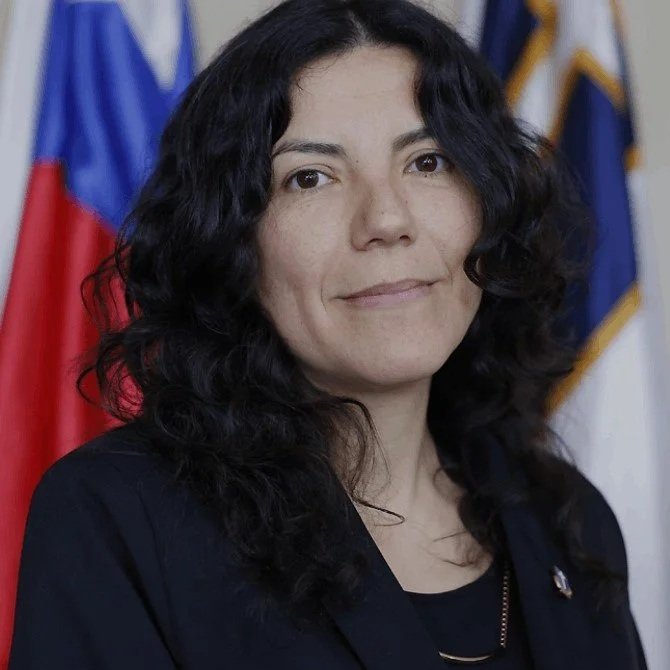
María Teresa De Los Angeles Muñoz
Universidad de Chile
mtmunoz@uchile.cl

Carlos Guerrero-Bosagna
Uppsala University
carlos.guerrero.bosagna@ebc.uu.se
Research Theme Summary
Agricultural production systems are increasingly affected by climaterelated stressors, including rising temperatures, drought, water scarcity, and changes in pest dynamics. These environmental pressures are contributing to greater pesticide dependency in many agricultural regions, particularly in highly productive export-oriented systems. At the same time, growing evidence suggests that chronic exposure to pesticide mixtures may affect not only ecosystems and biodiversity, but also neurological, cognitive, sleep, and mental health outcomes in exposed rural populations. Despite this, limited interdisciplinary research has not integrated climate stress, agricultural transitions, environmental exposure, and human health within a single analytical framework. This Research Theme (RT) proposes the creation of an interdisciplinary Swedish–Chilean platform examining how climate stress modifies agricultural pesticide use patterns, environmental contamination, and neurobehavioral health risks in rural communities. The RT will integrate expertise from environmental epidemiology, toxicology, agricultural sciences, neuroscience, psychology, climate sciences, ecology, occupational health, and sustainability research. Comparative perspectives between Sweden and Chile will provide opportunities to examine agricultural systems operating under different climatic conditions, regulatory frameworks, and technological adaptation strategies. The RT will address three interconnected dimensions: (1) climate-related changes influencing pesticide use and environmental contamination; (2) biological and neurobehavioral effects associated with chronic environmental and occupational exposure to pesticide mixtures; and (3) sustainable agricultural alternatives capable of reducing chemical dependency while maintaining productive viability for farmers. Particular attention will be given to vulnerable rural populations, including agricultural workers and residents living near intensive farming areas. Discussions will incorporate a One Health perspective, recognizing the interconnections between environmental integrity, ecosystem resilience, occupational exposure, and human health. The RT will also examine how sustainable agricultural practices (including integrated pest management, biological control strategies, and regenerative agriculture) may contribute to reducing environmental and health risks under conditions of increasing climate stress. The workshop will foster interdisciplinary dialogue between researchers working on environmental monitoring, exposure science, neurobehavioral assessment, sustainable agriculture, climate adaptation, and rural public health. It will also promote discussions on methodological integration, including biomonitoring, ecological assessment, longitudinal population studies, and implementation-oriented research. The proposed RT is expected to achieve a strong critical mass through existing collaborations between Chilean and Swedish researchers, as well as international networks in environmental health, agricultural sustainability, and chemical safety. The initiative will contribute to the development of a long-term interdisciplinary consortium aimed at future collaborative applications to FORMAS, Horizon Europe, and other international funding mechanisms addressing climate adaptation, sustainable food systems, and environmental health. Expected outcomes include the establishment of new bilateral collaborations, development of joint pilot projects, identification of harmonized research priorities, and advancement of interdisciplinary strategies supporting healthier and more sustainable agricultural transitions under climate stress.
Desired Expertise
Agriculture, environmental sciences, toxicology, epidemiology, neuroscience and psychology, occupational and public health, climate science, ecology, veterinary sciences, environmental policy and economics, social sciences, and One Health research.

Join this Workshop.
About the ACCESS Forum & Research Themes (RTs)
-
The ACCESS Forum is an immersive, bi-national event held every 18 months that connects scholars across Chilean and Swedish member universities to address global societal challenges. Rather than functioning as a standard academic conference with passive presentations, an ACCESS workshop operates as an intensive, dedicated "working laboratory."
Participants commit to a single Research Theme (RT)—a targeted, co-led scientific initiative aligned with the ACCESS Research Framework. Over four days of collaborative work sessions, interactive discussions, and co-design activities, participants remain with the same cohort to move research ideas from concept to action.
-
By joining our workshop cohort at the upcoming ACCESS Forum, you will:
Co-Develop Concrete Outcomes: Work directly toward joint academic publications, collaborative grant proposals (e.g., ANID, STINT, Horizon Europe), co-supervision of PhD candidates, etc.
Cross-Contextual Insights: Exchange datasets, methodologies, and local perspectives between Chilean and Swedish contexts.
Expand Your Network: Connect with senior researchers, Early Career Researchers (ECRs), and non-academic stakeholders across both research and innovation ecosystems.
-
To apply for a seat in this Research Theme workshop, please review the desired expertise above and complete the application form before the registration deadline.
IMPORTANT: Applications from ACCESS member universities will be prioritize.Apply here by 1 November 2026: XXX