
The University of Gothenburg warmly welcomes you to the 2027 ACCESS Forum!
Scientific Program
At the heart of every ACCESS Forum are our Research Themes (RTs) —intensive, four-day collaborative workshops that serve as the event’s scientific core.
Research Themes (the subject of each workshop) must related to one of the bilateral Focus Areas and demonstrate global impact through alignment with a maximum of three SDGs (selected from the full list of 17).
To ensure high-quality and relevant programming, we invite researchers to co-propose these RT topics through an open call. Each proposal must include a detailed design for a workshop of up to 20 participants, bridging the gap between "big picture" goals and tangible academic collaboration. From these submissions, the ACCESS Steering Committee will select a maximum of 14 RTs to take place at the 2027 ACCESS Forum
2027 ACCES Forum Research Themes
RTs by Focus Area:
A (1, 2, 3), B (4, 5, 6), C (7), D (8), E (9, 10, 11), F (12, 13, 14)
RT 1. Ageing well in place: socio-spatial infrastructures and caring practices
RT 2. Anti-Bullying and school safety methodologies for Sweden and Chile
RT 3. Transition to zero-emission public bus fleets for sustainable cities
RT 4. Climate Stress, Pesticide Dependency, and Health in Agricultural Communities
RT 5. Coupling Earth Sciences, Economics and Environmental Governance to Tackle Anthropogenic Stressors
RT 6. Forestry Residues: Chile-Sweden Strategic Biobased Material Autonomy
RT 7. Anthropomorphism, AI and Clinical Responsibility: A Chile–Sweden Dialogue
RT 8. Critical Raw Materials: From Geological Processes to Societal Pathways
RT 9. Innovating Cardiometabolic Health
RT 10. Sweden Chile Obesity Prevention Evidence (SCOPE)
RT 11. The Future is Ageing: Food, Nutrition and Healthy Longevity
RT 12. Governing Increasing Mobilities in Arctic and Antarctic Regions
RT 13. Interdisciplinary Approaches for Circular and Climate-Resilient Aquaculture
RT 14. Ocean Science and Technology
Attend the Forum
Once the Research Themes (RTs) are selected, we will open the call for applications to join the selected workshops (RTs). Interested researchers and PhD students can only apply to attend one of the workshops (Research Themes) during the Forum (4 days).
-
The ACCESS Forum is open to researchers from all fields.
Participants can be senior researchers, early career researchers (within 8 years of PhD award) and PhD students.
Participants who are currently employed at an ACCESS member universitiy at the time of the Forum are given priority.
We seek to have a balance in each workshop between senior researchers, early career researchers and PhD-students.
NOTE: Due to space limitations, participation in the Forum is limited. Participation is therefore not guaranteed, even if you have your own funding.
-
ACCESS does not directly fund Forum participation, however, most ACCESS member universities provide grants to their employees (including PhDs) to attend. Grant availability, amounts, and eligibility vary across universities.
However, the participation in the Forum is free of charge thanks to the financial contributions from the University of Gothenburg and ACCESS member universities.
Need Funding? Learn more about University-Sponsored Travel Grants here.
Chilean and Swedish government agencies, non-profits, industry, or other organizations that are not current ACCESS partners, including universities that are not current ACCESS members, can learn more about ACCESS and potential participation in the Forum by contacting ACCESS@global.lu.se.

2027 Program
Sun. (13/6) - PhD event
Mon. (14/6) - Opening Ceremony & Workshops
Tue. & Wed. (15-16/6) - Workshops
Thu. (17/6) - Workshops & Closing Ceremony
Fri. (18/6) - Excursion
Frequently Asked Questions
-
The main activity at the Forum are Research Theme workshops.
The program for 2027 is currently being finalized, but the forum typically follows this structure:
Sunday: PhD Event
Monday: Opening Ceremony & Workshops
Tuesday: Workshops
Wednesday: Workshops
Thursday: Workshop & Closing Ceremony
Friday: Cultural/Scientific Excursion
-
In the context of the ACCESS Forum, a workshop is the intensive, four-day collaborative session where a Research Theme is brought to life.
Unlike traditional academic conferences characterized by rotating presentations or passive listening, an ACCESS workshop functions as a dedicated "working laboratory."
Participants apply to join one specific Research Theme for the duration of the Forum, remaining with that same group to move their interdisciplinary research forward. This immersive format ensures that by the end of the week, the group has transitioned from initial discussions to concrete plans for future collaboration, such as joint publications, grant applications, and co-supervision of PhD students.
-
Aligned with a specific Focus Area, a Research Theme (RT) is the official subject of an ACCESS workshop and serves as the core scientific pillar of the collaboration.
Each RT is a jointly designed initiative by a Swedish and a Chilean lead researcher to tackle a specific challenge within their designated Focus Area.
The 2027 ACCESS Forum Research Themes are:
RT 1: Ageing well in place: socio-spatial infrastructures and caring practices
RT 2: Anti-Bullying and school safety methodologies for Sweden and Chile
RT 3: Transition to zero-emission public bus fleets for sustainable cities
RT 4: Climate Stress, Pesticide Dependency, and Health in Agricultural Communities
RT 6: Forestry Residues: Chile-Sweden Strategic Biobased Material Autonomy
RT 7: Anthropomorphism, AI and Clinical Responsibility: A Chile–Sweden Dialogue
RT 8: Critical Raw Materials: From Geological Processes to Societal Pathways
RT 11: The Future is Ageing: Food, Nutrition and Healthy Longevity
RT 12: Governing Increasing Mobilities in Arctic and Antarctic Regions
RT 13: Interdisciplinary Approaches for Circular and Climate-Resilient Aquaculture
-
A Focus Area is a broad strategic pillar that defines the scope of a Research Theme.
While the UN Sustainable Development Goals (SDGs) provide a global direction, our Focus Areas translate these goals into the specific societal and scientific contexts shared by Chile and Sweden.
Research Themes (RTs) must align with one of these Focus Areas to ensure that all collaboration remains interdisciplinary and addresses the most pressing challenges facing both nations.
Learn more about the relationship between Focus Areas and SDGs here.
-
The primary goal of each Research Theme (workshop) is to transition from initial ideas to concrete plans for future collaboration.
By the end of the week, these groups aim to have developed tangible roadmaps for the future, such as joint publications, grant applications, and the co-supervision of PhD students, etc,

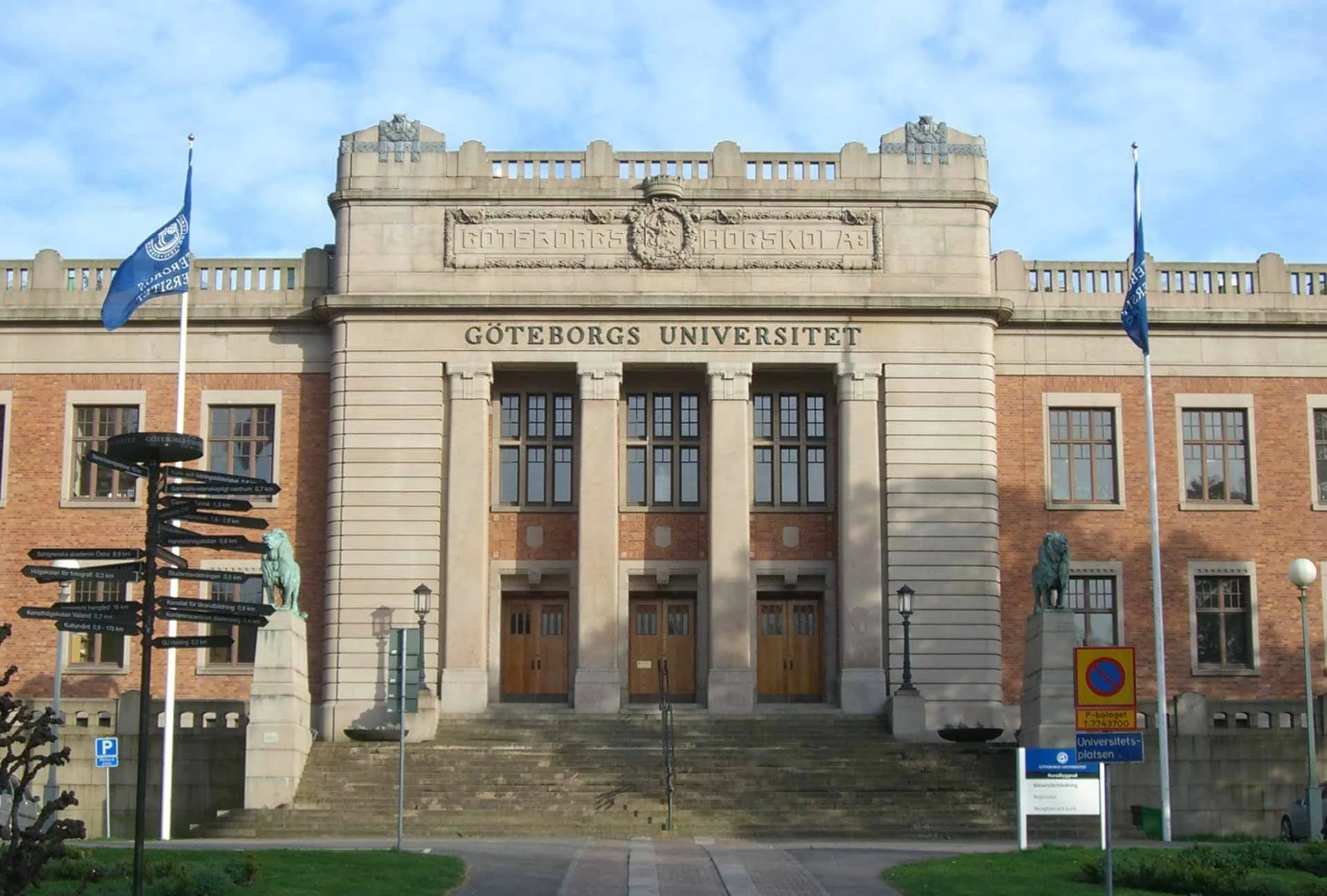
Univesity of Gothenburg (GU)
2027 ACCESS Forum Host
Contact Us with Questions
ACCESS platform, membership and Forum Program: ACCESS@global.lu.se
Travel Funding Opportunities: University Contact Persons
Forum Logistics & PhD Event: karin.wallin@gu.se