

Research Theme #3
Transition to Zero-Emission Public Bus Fleets for Sustainable Cities
Keywords: Electromobility; Zero Emissions; Sustainable Cities; Public Transport Governance
Workshop Leaders (PIs)
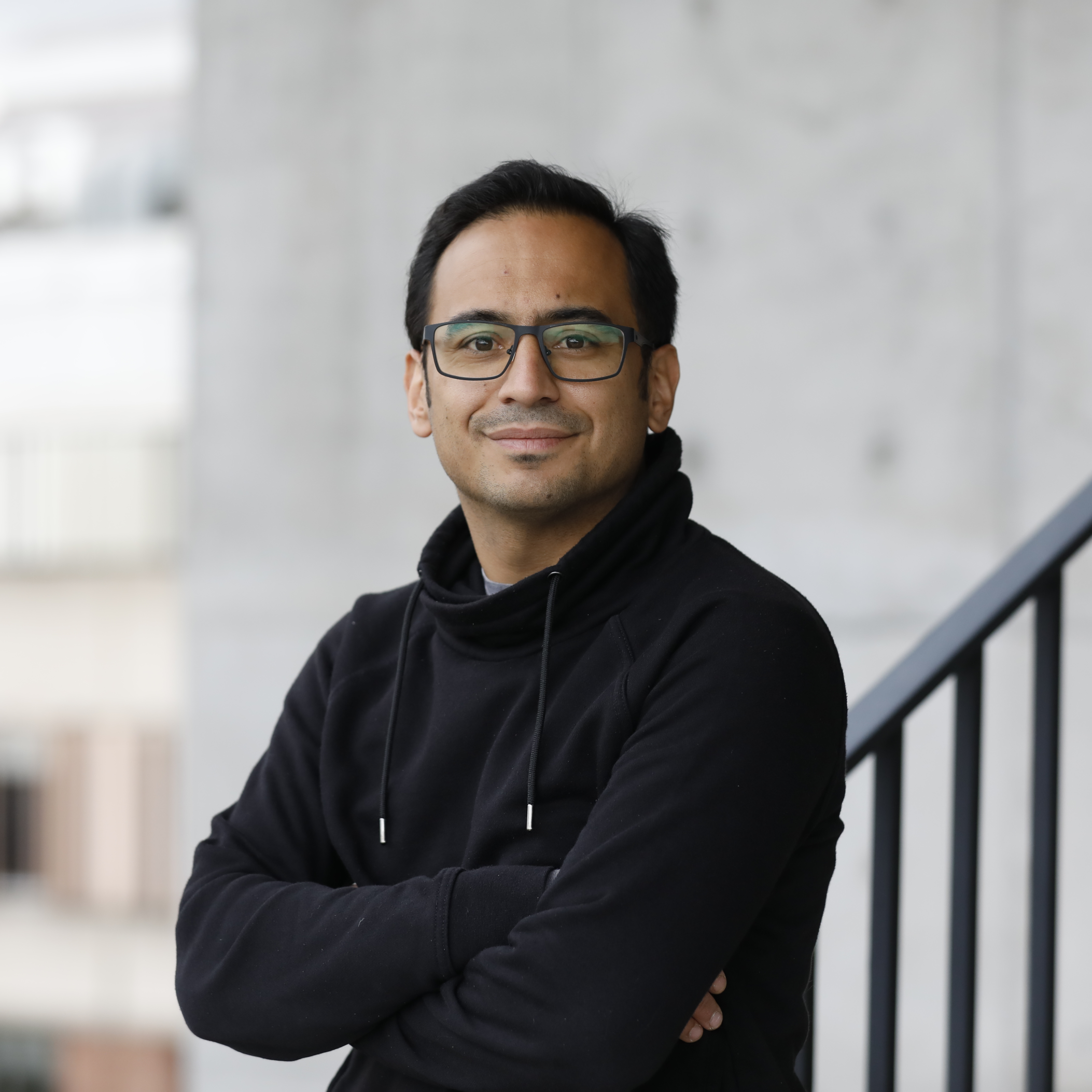
Hugo Silva Montalva
Pontificia Universidad Católica de Chile
husilva@uc.cl

Erik Jenelius
KTH Royal Institute of Technology
jenelius@kth.se
Research Theme Summary
The transition to electromobility is reshaping urban transport, with cities like Santiago and Stockholm at the frontier of large-scale electric bus deployment. Santiago today operates the largest electric bus fleet outside China, with electric buses reaching 58% of its public transport fleet in 2025 and a contracted trajectory toward 68% in 2026. Stockholm, in parallel, reached 15%-20% electrification of its bus fleet in 2025 through procurement pathways, aiming to reach 100% by 2035. This workshop brings together transport scientists, urban planners, economists, political scientists and engineers from Chile and Sweden to compare and theorize the institutional architectures that enable rapid, low-cost transitions to electromobility. The Santiago case offers a striking natural experiment: the post-2017 unbundling of operations, fleet supply and depot infrastructure into three separate contracts is widely credited with enabling Santiago’s electrification leap, while also delivering measurable cost savings (USD 60 million/year in the 2023 tender; another USD 20 million/year in the 2025 tender). The Stockholm case offers contrasting lessons in fleet procurement, grid integration, depot planning and the political economy of just transition. Another interesting aspect to consider in the Stockholm case is the Swedish public transport target of 100% renewable fuels, which has already been achieved and is affecting the pace of electrification across all regions. The workshop will produce a joint comparative paper, a policy brief addressed to transport authorities, a student exchange agreement, and a roadmap for a joint multi-year research proposal on the governance of electromobility in sustainable cities.
Desired Expertise
The RT seeks researchers and practitioners across four broad clusters: (i) engineering and operations — transport engineering and operations research, electrical and power-systems engineering, energy-systems modelling, battery and charging-infrastructure engineering, and data science for transit operations; (ii) economics, finance and policy — transport economics, industrial organisation, public finance and procurement, regulatory economics, infrastructure finance and risk allocation, public administration, political science, and environmental/climate governance; (iii) urban, social and health sciences — urban planning, human geography, urban sociology, labour studies and industrial relations, science and technology studies, and environmental and occupational health (air quality, noise); and (iv) practice and stakeholder expertise — public-transport authority staff, operators and fleet managers, trade-union representatives, and user and civil-society organisations. Across all clusters, the RT actively prioritizes PhDs and early-career researchers, women and gender-diverse scholars, and participants from smaller and regional ACCESS-affiliated universities.
Join this Workshop.
About the ACCESS Forum & Research Themes (RTs)
-
The ACCESS Forum is an immersive, bi-national event held every 18 months that connects scholars across Chilean and Swedish member universities to address global societal challenges. Rather than functioning as a standard academic conference with passive presentations, an ACCESS workshop operates as an intensive, dedicated "working laboratory."
Participants commit to a single Research Theme (RT)—a targeted, co-led scientific initiative aligned with the ACCESS Research Framework. Over four days of collaborative work sessions, interactive discussions, and co-design activities, participants remain with the same cohort to move research ideas from concept to action.
-
By joining our workshop cohort at the upcoming ACCESS Forum, you will:
Co-Develop Concrete Outcomes: Work directly toward joint academic publications, collaborative grant proposals (e.g., ANID, STINT, Horizon Europe), co-supervision of PhD candidates, etc.
Cross-Contextual Insights: Exchange datasets, methodologies, and local perspectives between Chilean and Swedish contexts.
Expand Your Network: Connect with senior researchers, Early Career Researchers (ECRs), and non-academic stakeholders across both research and innovation ecosystems.
-
To apply for a seat in this Research Theme workshop, please review the desired expertise above and complete the application form before the registration deadline.
IMPORTANT: Applications from ACCESS member universities will be prioritize.Apply here by 1 November 2026: XXX