

Research Theme #13
Interdisciplinary Approaches for Circular and Climate-Resilient Aquaculture
Keywords: Aquaculture, Circular Economy, Multi-Trophic, Marine Species Aquaculture, Circular Economy, Multi-Trophic, Marine Species
Workshop Leaders (PIs)

Sebastian Escobar
Pontificia Universidad Católica de Chile
sebastian.escobar@uc.cl
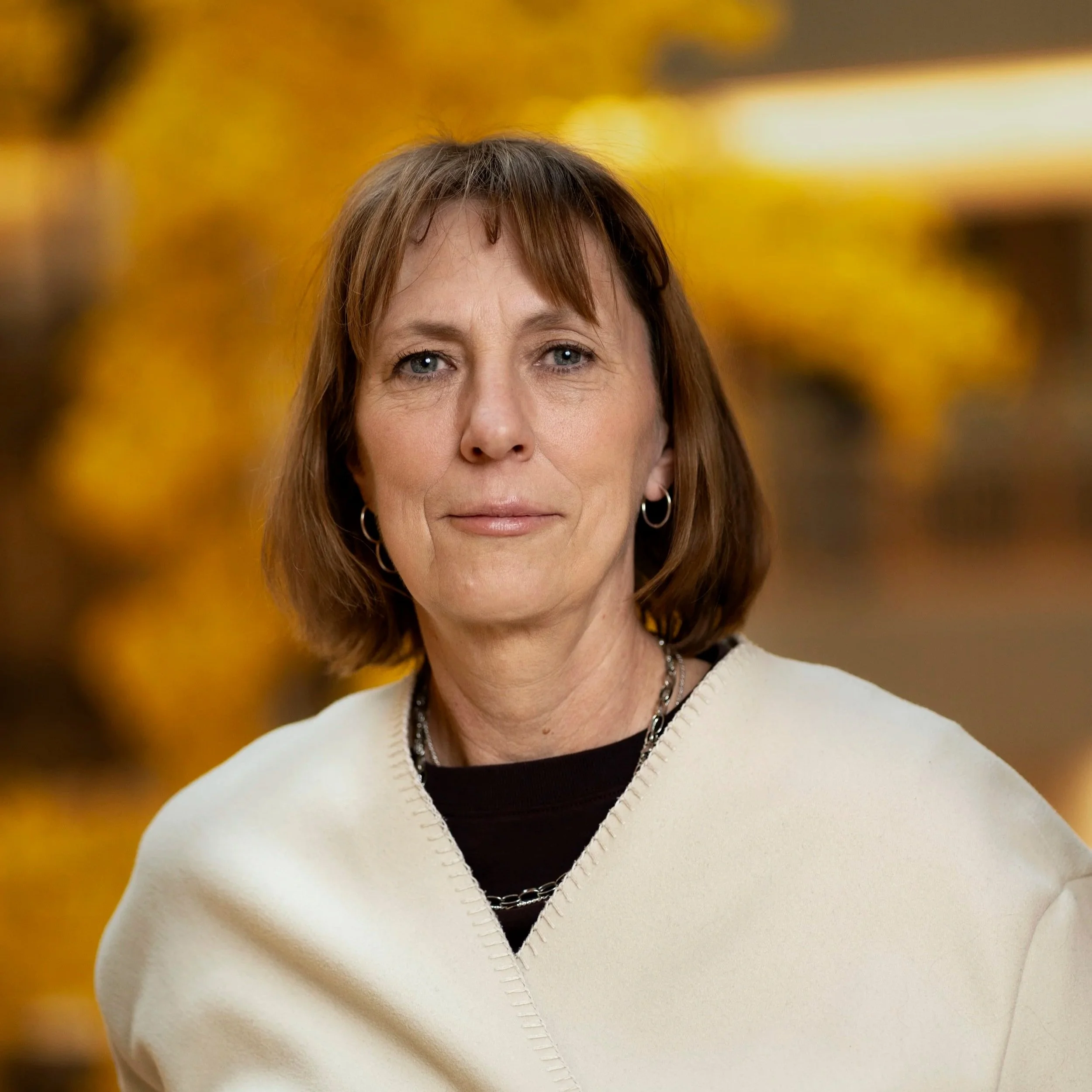
Elisabeth Jönsson Bergman
University of Gothenburg
elisabeth.jonsson@bioenv.gu.se
Research Theme Summary
The proposed workshop will address key challenges facing marine ecosystems and global seafood production systems, while identifying solutions and opportunities to support healthy oceans, resilient coastal communities, and responsible blue economy development. Within the framework of a bilateral collaboration between Chile and Sweden, the workshop will explore how scientists can contribute knowledge, innovation, and interdisciplinary approaches to the development of sustainable marine food production systems that reduce environmental impacts and promote socio-economic well-being.
Chile, with more than 4,300 kilometers of coastline and an Exclusive Economic Zone of approximately 3.4 million square kilometers, provides a highly relevant context in which the ocean plays a central role in the country’s economy, environment, and coastal identity. In Sweden, there is growing interest in the blue economy. Using case studies from both Chile and Sweden, the workshop will examine circular economy approaches and their links to the social, cultural, and economic wellbeing of coastal communities. Key topics will include resource efficiency, revalorization of fishery by-products, algae farming, alternative aquafeeds, nutrient recycling, integrated aquaculture systems, fish health and welfare, climate change impacts, and opportunities for innovation and new business models.
The workshop will bring together researchers, PhD candidates, postdoctoral fellows, early-career researchers, industry stakeholders from both countries. Through interdisciplinary discussions and participatory activities, participants will identify collaborative pathways for sustainable aquaculture, marine conservation, and resilient coastal economies.
The expected outcome is a strengthened Chile–Sweden research network and the establishment of a long-term international partnership focused on sustainable use of the sea and equitable blue economy development, aligned with SDG 14, SDG 12, and SDG 13.
Desired Expertise
Economics, Social Economics, Politics, Biology, Molecular Level, Global Study, Ecology, Animal Welfare, etc.
Join this Workshop.
About the ACCESS Forum & Research Themes (RTs)
-
The ACCESS Forum is an immersive, bi-national event held every 18 months that connects scholars across Chilean and Swedish member universities to address global societal challenges. Rather than functioning as a standard academic conference with passive presentations, an ACCESS workshop operates as an intensive, dedicated "working laboratory."
Participants commit to a single Research Theme (RT)—a targeted, co-led scientific initiative aligned with the ACCESS Research Framework. Over four days of collaborative work sessions, interactive discussions, and co-design activities, participants remain with the same cohort to move research ideas from concept to action.
-
By joining our workshop cohort at the upcoming ACCESS Forum, you will:
Co-Develop Concrete Outcomes: Work directly toward joint academic publications, collaborative grant proposals (e.g., ANID, STINT, Horizon Europe), co-supervision of PhD candidates, etc.
Cross-Contextual Insights: Exchange datasets, methodologies, and local perspectives between Chilean and Swedish contexts.
Expand Your Network: Connect with senior researchers, Early Career Researchers (ECRs), and non-academic stakeholders across both research and innovation ecosystems.
-
To apply for a seat in this Research Theme workshop, please review the desired expertise above and complete the application form before the registration deadline.
IMPORTANT: Applications from ACCESS member universities will be prioritize.Apply here by 1 November 2026: XXX