
Call for Research Themes (RTs)
Researchers from ACCESS member universities are invited to propose Research Themes (RTs) for the 2027 ACCESS Forum.
At the heart of the ACCESS Forum are Research Themes (RT)—the scientific pillars that drive our binational collaboration.
Each RT is realized through an intensive, four-day workshop where researchers from Chile and Sweden co-create solutions to shared challenges. To ensure global impact with local relevance, every theme is built upon two distinct frameworks: a Focus Areas that provide the strategic context for the Chile-Sweden partnership (primary lens) and UN Sustainable Development Goals (SDGs) to align your research with broader global priorities (secondary lens). Crucially, Research Themes are designed to be inherently interdisciplinary, bringing together diverse academic perspectives to tackle multifaceted problems. By uniting distinct scientific viewpoints from both Chile and Sweden, your workshop will pioneer the cross-cutting solutions essential to achieving the UN Sustainable Development Goals.
2027 Forum Focus Areas*
Focus Area A. Sustainable Societies & Resilient Institutions
Focus Area B. Environmental Systems Dynamics & Human Adaptation to Climate Change
Focus Area C. AI, Digitalization & Humans/Humanity
Focus Area D. Sustainable Sourcing of Critical Minerals & Society
Focus Area E. Health & Life Sciences
Focus Area F. The Sea
*A detailed description of each Focus Area can be found here.

Have an idea but need a partner?

Looking to collaborate on a proposal?

Info Session: Call for RTs (25/3 @ 14 CET)
HOW TO APPLY:

1. Select one Focus Area.
Focus Areas define your workshop’s scope and ensures its relevance to the binational context.
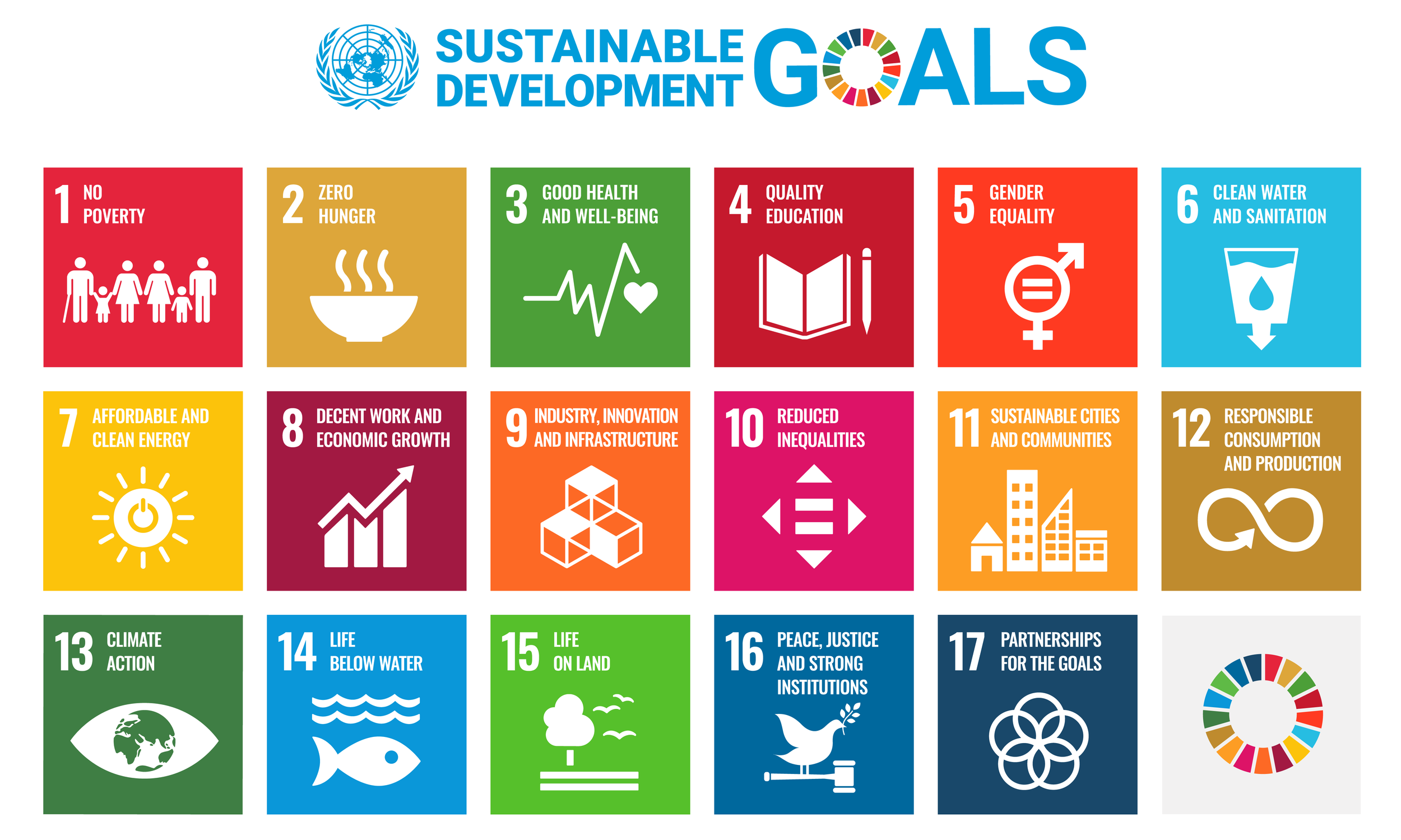
2. Identify up to three SDGs.
This demonstrates how your research contributes to broader global sustainability targets. Proposals can be aligned with up to 3 of the 17 SDGs.

3. Submit your Proposal by 31/5
We look forward to receiving your proposals and seeing how your collaborative, interdisciplinary expertise will define the scientific core of the 2027 ACCESS Forum. DEADLINE: 31 May 2026
Planning Your RT
-
Individuals who wish to submit a proposal for a RT must fulfill the following criteria:
include one researcher from a Chilean member university and one researcher from a Swedish member univerity;
both researchers must be employed by an ACCESS member university at the time of submission as well as at the time of the Forum; AND
both researchers must hold a PhD.
-
Proposals should align with ACCESS' goals, involve diverse participants, be relevant to current research, and have a well-planned structure.
The ACCESS Steering Committee acknowledges the importance of both new and existing collaborations and therefore warmly welcomes submissions in both categories:
New Research Themes (RTs)
For new RTs not previously selected in previous Forums, we strongly encourage applicants to have a strategy for broad institutional participation and a Research Theme that is relevant for both Chile and Sweden.
Existing Collaborations
For existing collaborations (RT at a previous Forum) we strongly encourage a strategy for broad institutional participation and a relevant Research Theme for both Chile and Sweden. For existing collaborations, extra attention will be given to the potential of the proposed initiative to develop its activities beyond the Forum.
Therefore, we strongly advise previous ACCESS Research Themes/working groups to show a clear development from the last ACCESS Forum and to describe the continued need of ACCESS for the Research Theme/working group’s development.
-
A Focus Area is a broad strategic pillar that defines the scope of a Research Theme.
While the UN Sustainable Development Goals (SDGs) provide a global direction, our Focus Areas translate these goals into the specific societal and scientific contexts shared by Chile and Sweden.
Research Themes (RTs) must align with one of these Focus Areas to ensure that all collaboration remains interdisciplinary and addresses the most pressing challenges facing both nations.
The 6 Focus Areas are:
Focus Area A. Sustainable Societies & Resilient Institutions
Focus Area B. Environmental Systems Dynamics & Human Adaptation to Climate Change
Focus Area C. AI, Digitalization & Humans/Humanity
Focus Area D. Sustainable Sourcing and Use of Critical Minerals & Societal Impact
Focus Area E. Health & Life Sciences
Focus Area F. The Sea
Once you have identified your primary Focus Area, you will then map your research to the global UN Agenda by selecting up to three SDGs (see below).
-
The Focus Areas and SDGs work in tandem to bridge regional research with global impact.
To ensure international alignment, you are required to map your Research Theme to the UN 2030 Agenda by selecting a maximum of three SDGs.
Unlike previous years, the framework is now open to all 17 SDGs. This change allows for a more authentic connection, giving you the flexibility to motivate why your chosen goals are the most relevant fit for your specific research without being restricted to a pre-defined list.
Preparing Your Proposal
Since this form will not save your progress as you go, please use the list below to prepare your answers in a text editor (like Word or Google Docs) before starting the application.
-
Confirmation of PhD: Both applicants (Chile and Sweden) must have their PhDs awarded by the date of application.
Employment Verification: Both must be employed by a member university now and through June 2027.
PI Responsibilities: F formally agree to the core responsibilities (hosting sessions, participant selection, 3-minute outcome summary, etc.).
-
Contact Details: Full name, University email, and Phone number.
Academic Info: Department and Category (Senior vs. Early Career).
Marketing Bio: A 2-3 sentence biography (ready for public website use).
Headshot: A professional photo file (one for each applicant).
-
Title: Max 10 words / 80 characters.
Focus Area: Choose one focus area.
SDGs: Identify up to 3 SDGs your theme intersects with.
Abstract: Max 250 words.
Keywords: Up to 4 keywords.
History: If this is an Ongoing theme, you need a summary of past work and outcomes from previous ACCESS forums (2017–2026).
-
A. Abstract (Max 250 words) A high-level summary of your Research Theme.
B. Introduction & Scope (Max 250 words) Introduce the core research topic and the specific problem or challenge.
C. Workshop Design (Max 100 words) Describe the 4-day structure. Explain how you will facilitate active participation (especially for PhDs/ECRs) and list any planned site visits.
D. Recruitment Strategy (Max 250 words) Detail your outreach channels and tactics for achieving gender balance, diversity in seniority (recruiting PhDs & early career reesarchers, etc.).
-
Contextual Depth: How does your theme address shared challenges or unique opportunities found specifically in Sweden and Chile?
Integration: How will you blend unique perspectives, data, or experiences from both countries?
Interdisciplinarity: How is the workshop structured to bridge different fields? (Include a list of specific subject areas you hope to attract).
Future Goals: List specific intended outcomes (e.g., joint grant applications, co-authored publications, or formal exchange programs).
External Stakeholders: Identify NGOs, industry partners, or policy-makers you hope to engage beyond the university setting.

Selection Criteria
-
RT proposals will be assessed by the ACCESS Steering Committee based on the following criteria:
Appeal: The Research Theme format has high potential to attract diversre attendees from ACCESS member universities and its contents can be broadly disseminated and understood.
Relevance: The Research Theme raises and discusses issues important to the specific Focus Area using experience and knowledge from both the Chilean and the Swedish context.
Clarity of Objectives: The intended outcomes of the Research Theme are easily understood.
Impact Potential: The Research Theme should demonstrate the potential to develop collaborations and new connections/activities both during and beyond the Forum.
Interdisciplinarity: The proposal encourages researchers from different academic disciplines to participate in the session.
-
Furthermore, the selection committee will take the following aspects into consideration for the final decision:
Leadership: gender and institutions represented in the PI pairs.
Seniority: The PIs should be mix of early career researchers* and senior researchers.
Size: If the selected Research Theme is not able to attract more than 5 participants the Research Theme will be canceled**.
Representation: The selected Research Theme must have participants from a minimum of 3 ACCESS-universities otherwise it will be canceled**.
*An early career researchers should been awarded their PhD within the last 8 years.
**This will be determined after the Call for the Participation.
Accepted Proposals
Once selected, the co-applicants (known as PIs or workshop leaders moving forward) will be responsible for several activities related to the design and implementation of their workshop. Below are the main responsibilities of the workshop PIs:
-
WORKSHOP DESIGN
The PIs must plan, design and host the Research Theme (scientific sessions, panel discussion, brainstorming for collaboration, poster session, etc).
PIs are responsible to submit a detailed programme of the workshop a minimum of 3 months before the Forum.
PARTICIPANT SELECTION
PIs will be asked to review the applications from individuals interested in joining their workshop. This process will take place in Nov 2026.
The final selection of participants will be made by the ACCESS Steering Committee, but the input from member universities as well as the PIs will be taken into consideration as each stakeholder will provide feedback based on their expertise (e.g., subject matter expertise (PI), availablity of funding (ACCESS members), etc.).
-
The PIs will be responsible for the design and execution of their workshop during the Forum. This includes preparing materials, activities, and preparing the participants for the Forum (e.g., coordinating a digital pre-Forum meeting)
The PIs must plan for a 3 min presentation the last day of the Forum showcasing the outcomes from the Research Theme.
The PIs must submit a final report about the outcomes from the Forum. The report will be shared in the Forum final report.
-
Follow-up with RT participants to ensure they complete the 2027 ACCESS Forum evaluation form.
Complete a post-Forum for PIs (a separate evaluation from the general evaluation form which PIs are required to complete as well)
The PIs have a responsbility to help develop their working group post-forum to the best of their abilities. This includes follow-up on planned post-Forum activities (e.g., joint applications, meetings, etc.).
-
Oct 2026 | Call for Participants: Process Overview, important dates for PI-feedback on submissions (digital meeting, date TBD)
TBD 2027 | Forum Info Session for PIs (digital meeting, date TBD)
TBD 2027 | Forum Welcome for all participants and PIs (digital meeting, date TBD)
Jun 2027 | ACCESS Forum: 14-18 June 2027 (Gothenburg, Sweden)